







Search Results for: Coffee brewing consistency
Seven Core Principles for Consistently Great Coffee: A Scientific Brewing Analysis from Dripper Selection to Team Collaboration
Those seemingly casual artistic expressions in coffee shops—tattoos, latte art, a laid-back atmosphere—are actually underpinned by a rigorous set of scientific rules. When baristas have to face the test of producing hundreds of cups every day, consistency becomes the key to whether customers will come back again. This article, from a professional perspective, systematically sorts out seven practical principles for maintaining coffee quality consistency: from valuing the filter basket model and recommended dose, treating the scale as a core tool, to establishing reusable brewing recipes, dealing with the natural variations of blend beans, to facing the reality that pour-over coffee is hard to keep stable, valuing the impact of water quality on flavor, and relying on teamwork to achieve consistently stable output. These rules may seem dull, but they are the cornerstone that makes every cup of coffee trustworthy. [more…]
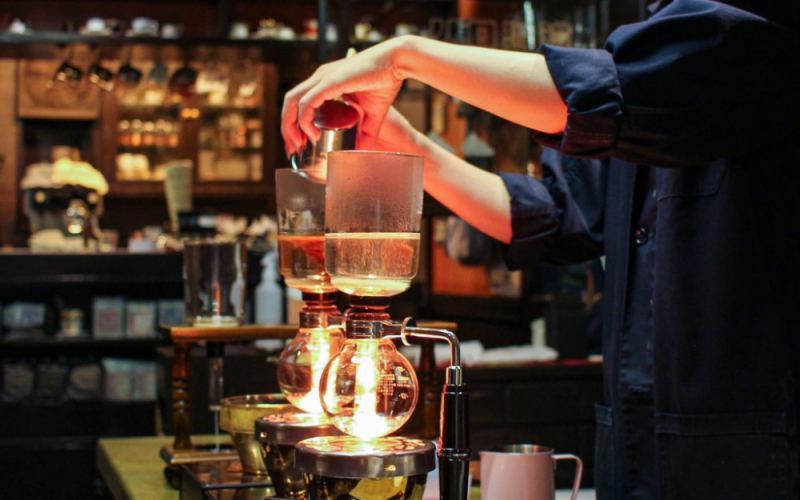
A Comprehensive Analysis of Siphon Coffee: From Extraction Principles to Brewing Details, Mastering the Key to Consistently Delicious Coffee
The siphon brewer, with its laboratory-equipment appearance and unique vacuum extraction method, has long been a favorite among coffee enthusiasts. It works by heating the lower chamber to generate steam pressure, pushing hot water up into the upper chamber to meet the coffee grounds; after the temperature drops, the pressure difference draws the coffee liquid back down into the lower chamber, resulting in a round, balanced cup. From the perspective of Front Street, this article systematically explains the siphon brewer's structural components, filtration and heating methods, grind size and coffee-to-water ratio, the timing for adding grounds, stirring techniques, and how to judge when to turn off the heat, along with a complete eight-step procedure to help you consistently brew a delicious cup of siphon coffee at home. [more…]
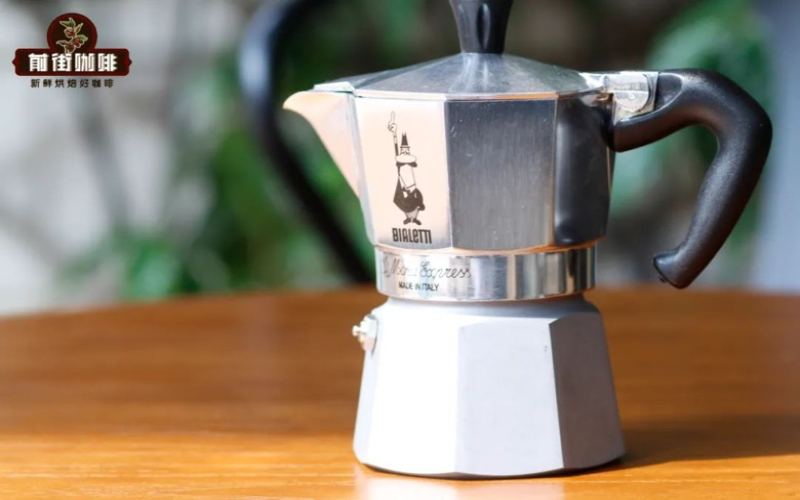
What to Do If Your Moka Pot Coffee Turns Out Too Bitter, Too Sour, or Burnt-Tasting?: Balancing Consistent Brews with Trying New Beans
The spectrum of flavor is far broader than just acidity and bitterness—aroma, sweetness, body, mouthfeel, and finish all lie along it. When choosing beans, it helps to first set a direction: floral and fruity, nutty and cocoa-like, or a balance of the two—then use origin, processing method, and roast level to find specific beans. The extraction principle of a moka pot is based on steam pressure, filling the filter with a layer of grounds. [more…]
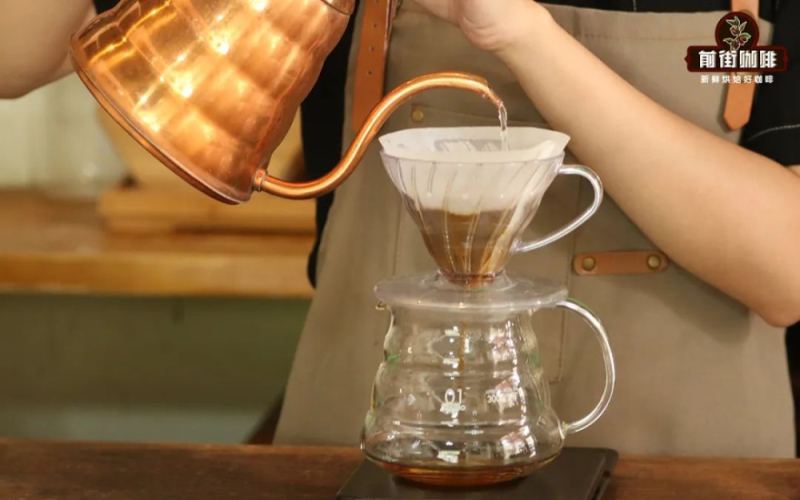
Guide to Consistent Pour-Over Coffee: Key Details from Parameter Execution to Filter Cup Preheating
The charm of pour-over coffee lies in its rich flavors, but it also puzzles many enthusiasts: why does the same beans and parameters produce a different taste every time? Front Street Coffee believes that it is nearly impossible to replicate two completely identical cups of coffee, but by controlling the details, it is entirely possible to make two cups sensorially indistinguishable. This article will start with four key steps—strictly executing brewing parameters, preheating the dripper and server, cleaning the grinder, and waiting for the drip to finish—to analyze in detail how to reduce unstable factors during brewing, helping you improve the stability and quality of your pour-over coffee. [more…]
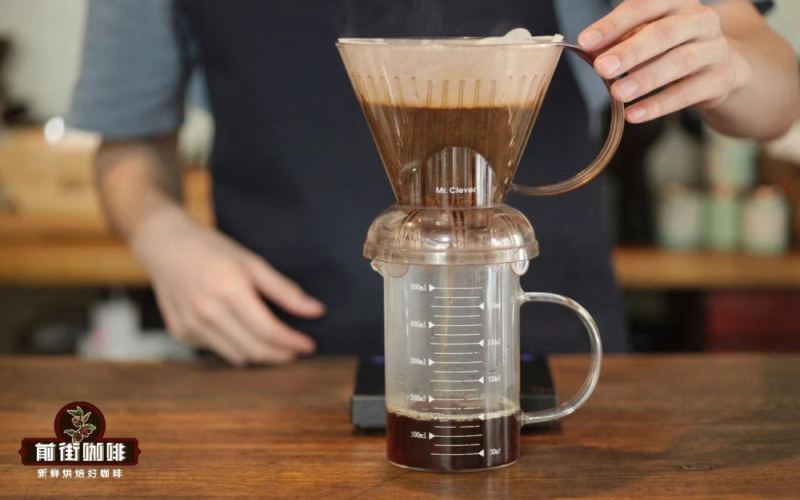
Clever Cup User Guide: Pour-Over Parameters and Brewing Steps Explained, a Coffee Dripper for Consistent Results Even for Beginners
The Clever Dripper is a coffee dripper with a piston valve design that combines both percolation and full immersion extraction principles. When pouring water, the valve stays sealed; it only opens to release liquid when the dripper is set on a cup. This makes it very forgiving when it comes to controlling the pour, delivering consistent results, and making it ideal for coffee beginners. This article will start from the Clever Dripper's working principle, the type of people it suits, and recommendations for grind size and water temperature. Combined with Front Street Coffee's brewing experiments, it will compare the flavor differences between the Clever Dripper and the V60 dripper using the same beans and the same parameters, and provide a complete Clever Dripper brewing step-by-step and time control plan to help you easily brew a full-bodied, delicious pour-over coffee. [more…]
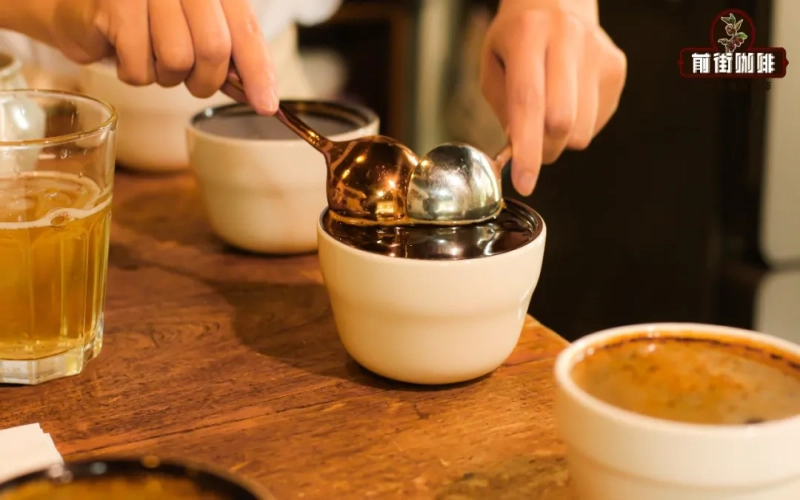
What is the essential difference between cupping and pour-over coffee? Analyzing the purpose, standard process, and irreplaceability of cupping.
Cupping is an immersion extraction method that minimizes human interference and faithfully reproduces the coffee's inherent flavors and qualities. In contrast, pour-over coffee relies on manual pouring, making consistency difficult to guarantee; it is also time-consuming, requires numerous pieces of equipment, and cannot handle a large number of samples simultaneously. This article will systematically compare the differences between cupping and pour-over coffee from multiple angles—operational procedures, degree of human intervention, consistency, and preparation costs—and trace the historical background of cupping's origin in the United States in 1980. Before releasing new beans, Front Street Coffee also uses cupping to verify quality and determine the appropriate roast profile, ensuring each bean meets the standard before being brought to market. [more…]
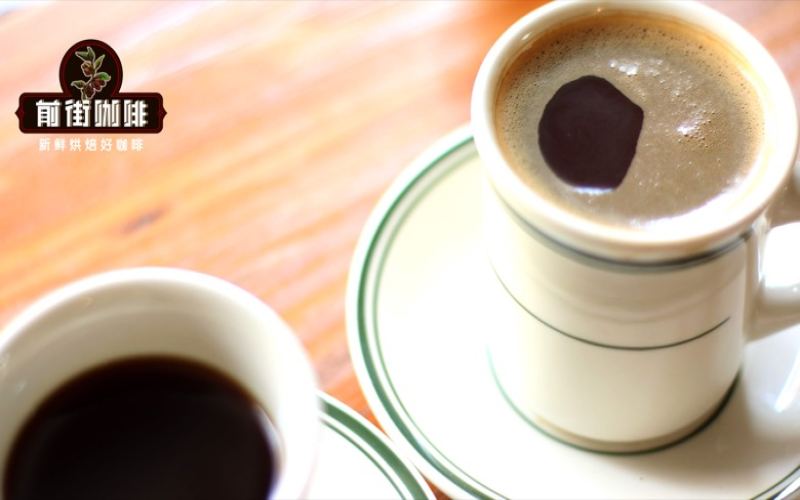
What Coffee Beans Are Suitable for a Bialetti Moka Pot: A Reference for Pairing Regional Characteristics with Brewing Methods
When you're just getting into coffee beans, chasing too many flavors at once can easily overwhelm you. It's better to start with a bean that has a clear profile and holds up well across different brewers, keeping the dose, grind, and water temperature consistent, then noticing the differences in the initial sip, sweetness, and finish. Over time, you'll develop your own flavor coordinates. A moka pot is a device that works by steam pressure; when loading the grounds, [more…]
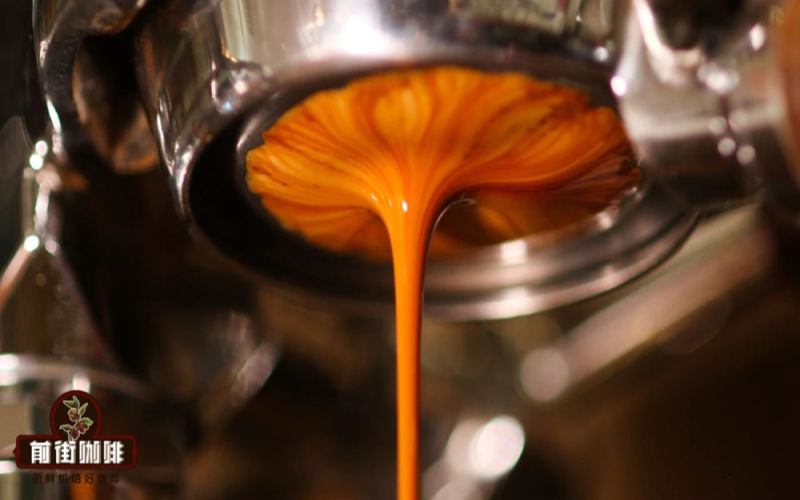
Home Espresso Coffee Bean Buying Guide | Can Light Roast Coffee Be Used for Espresso? Recommended Medium-Dark Roast Espresso Beans for Beginners That Extract Consistently
There are many kinds of coffee brewing—machine-brewed, pour-over, AeroPress, and more. Even with the same coffee beans, each brewing method can bring out a different flavor and mouthfeel, giving each drink its own distinctive character. That said, because each device has different brewing conditions, the choice of coffee beans also [more…]
What difference does brewing Costa Rican Finca La Diosa Geisha with different water temperatures make to its flavor profile?
Front Street Coffee recently launched a Costa Rican La Pastora Estate Geisha. The beans are full of floral aroma, the green beans are pale green and elongated, and they smell of fresh bergamot and berries. To investigate how different water temperatures affect the flavor of these beans, we brewed them at 93°C, 92°C, 91°C, and 90°C, keeping all other parameters the same. The results showed that the high-temperature extraction had a fuller mouthfeel but relatively simple flavor layering, while the lower water temperatures presented a richer fruity tea-like quality and a refreshing mouthfeel. If you are also wondering what water temperature to use for Geisha, take a look at the detailed record of this comparative brewing. [more…]

Pour-Over Coffee Beginner's Guide: From Water Quality to Pouring Technique, Mastering the Key Points of Consistent Extraction
Friends who are just getting into pour-over coffee often feel that it is something of a mystery, but in fact, as long as you understand the principles of extraction, many confusions can be easily resolved. In daily conversations with customers, Front Street Coffee has found that most people brew inconsistently because they do not understand the logic behind pour-over. This article sorts out the core knowledge of pour-over coffee one by one, from water quality selection, coffee bean freshness, equipment and dripper pairing, grind size, water temperature control, blooming techniques, to pouring methods, and uses V60 staged extraction as an example to give specific parameters and operating steps, helping beginners build a systematic brewing framework and gradually improve consistency through repeated practice. [more…]

Dear, how to choose the right staple beans for an espresso machine: how to make a consistently good cup of coffee
First, determine the drinking scenario, then talk about choosing beans: a cup of black coffee in the morning and a milk coffee with breakfast are two different needs, and slow sipping with pour-over versus quick output from a machine are two different rhythms. Roast level, flavor intensity, and brewing method all change with the scenario. The core of espresso extraction is the mutual constraint among several parameters: dose, grind size, liquid weight, and yield. [more…]
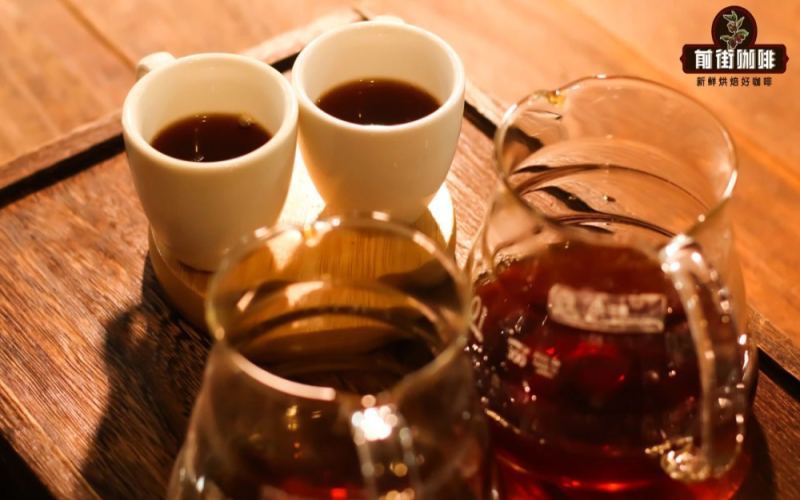
A Complete Guide to Brewing Colombian Coffee: Sidra Fruit-Forward Beans, Huila Region Flavors, and Pour-Over Parameters
Colombian coffee is renowned for its diverse styles, featuring both fresh and fragrant fruity notes and the classic expression of mellow balance with a chocolate-sweet finish. This wide-ranging flavor profile makes it unique in the global specialty coffee landscape. This article, from the perspective of Front Street Coffee, will examine how the volcanic soil regions of southern Colombia—Huila, Cauca, Nariño, and Tolima—nurture delicate acidity and berry sweetness through their high altitudes and equatorial advantages, and will highlight the flavor characteristics and roasting approaches of two beans sold by Front Street: Huila Washed and Sidra Double Anaerobic Natural. The article will then provide a complete breakdown of the pour-over process for medium-roast Colombian coffee, covering equipment preparation, grind size selection, coffee-to-water ratio, water temperature control, and the three-stage pouring rhythm, helping enthusiasts consistently recreate a fragrant cup of Colombian pour-over at home. [more…]

Kasuya Tetsu's 4:6 Brewing Method Explained: Why Five-Pour Brewing Consistently Produces Balanced Pour-Over Coffee
Some works often outshine their creators, like the Mona Lisa for Da Vinci, or the 4:6 method for Tetsu Kasuya. The core goal of this method, invented by the 2016 World Brewers Cup champion, is simple—to let anyone brew delicious coffee. It breaks a brew into five pours, each using three times the coffee dose in water, with the first two pours making up 40% of the total water to determine the sweet-and-sour direction, and the last three pours making up 60% to shape a rich, full-bodied mouthfeel. This article will fully break down the segmentation logic of the 4:6 method, the origin of the 45-second pouring interval, and conduct a real test using Front Street Coffee's Ethiopia Santa Vini beans to verify why this formula has an extremely high margin for error, and how to move beyond the formula and grasp its extraction philosophy. [more…]
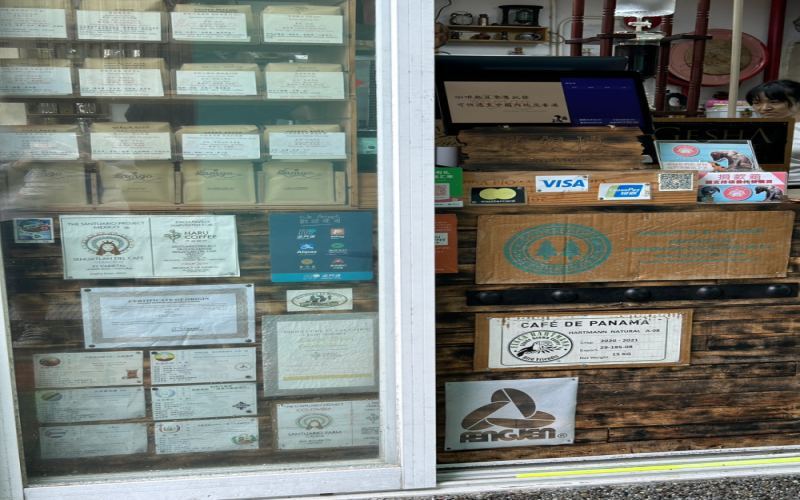
Small Shops Can Also Build Big Businesses: Community Café Operation Strategies and New Marketing Ideas for 2023
A mere 20-square-meter coffee shop in Macau, with its consistent quality and unspoken rapport with regulars, leaves a lasting impression; a 1-square-meter mini café in Japan, converted from a cigarette kiosk, has also become a neighborhood landmark. These cases reveal a common pattern: the success of a coffee shop lies not in its size, but in precise positioning, consistent products, high cost-effectiveness, and attentive service. This article systematically reviews the operating strategies and marketing trends of community cafés in 2023—from community site selection, quality control, and customer base maintenance to repeat-purchase promotions such as points, stamp cards, and scratch cards—providing actionable reference ideas for coffee entrepreneurs. [more…]
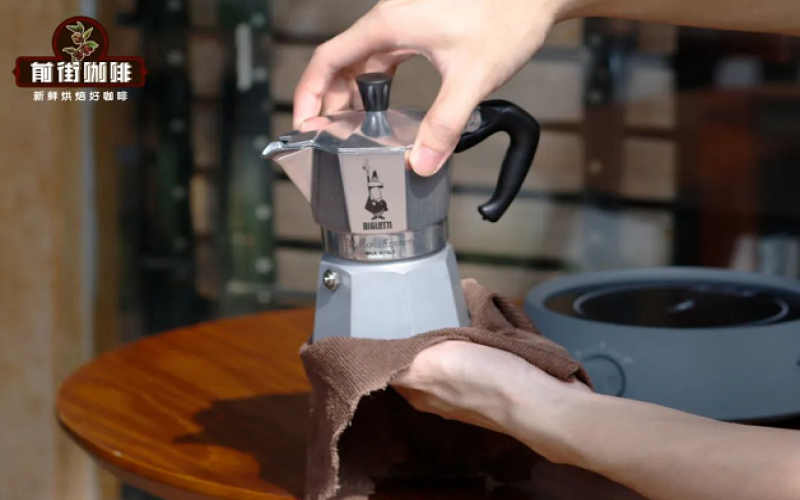
Moka Pot Brewing Pros and Cons: A Complete Guide from Brewing Principles to Grind Size
The moka pot is favored by coffee enthusiasts for its compact portability and low barrier to entry—whether at home or outdoors, it can quickly produce a cup of espresso-style coffee. It consists of three parts: a lower water chamber, a filter basket, and an upper pot. By using the steam pressure generated by heating, it pushes hot water through the coffee grounds to extract the coffee liquid. However, this brewing method also brings obvious shortcomings—the water temperature is relatively high, and the parameters are difficult to control precisely, which can easily lead to over-extraction. This article will systematically sort out the advantages and disadvantages of the moka pot, and focus on explaining the correct approach to coffee ground coarseness, helping you achieve consistent results even when using products from brands such as Front Street Coffee. [more…]
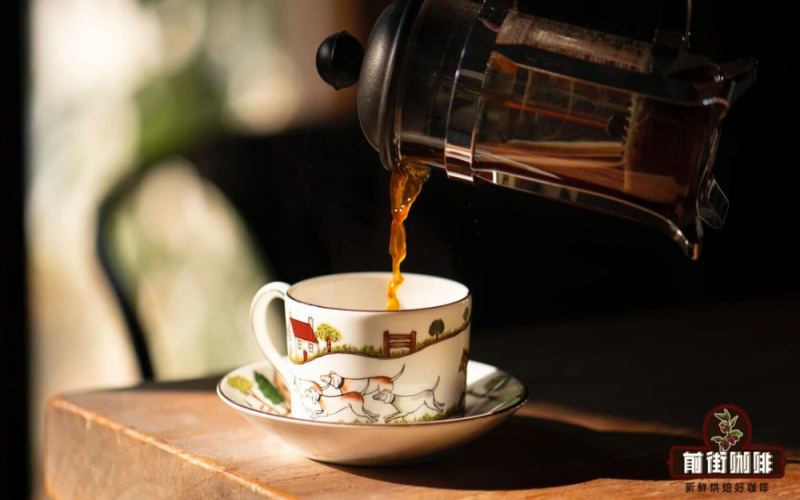
The Complete Guide to French Press Coffee Brewing: From Parameter Settings to Bean Selection and Cleaning Tips
The French press has a low barrier to entry and delivers consistent results, making it extremely common in Western households, but many people in China only treat it as a tea-making tool. In fact, as long as you master a few key variables—grind size, steeping time, water temperature, and coffee-to-water ratio—a French press can deliver just as rich a flavor as pour-over, and it can easily brew more than two servings at once. Drawing on Front Street's hands-on experience, this article systematically breaks down French press brewing parameters, offers specific recommendations for beans of different roast levels, and finally highlights an often-overlooked cleaning detail to help you consistently reproduce a delicious cup of French press coffee. [more…]
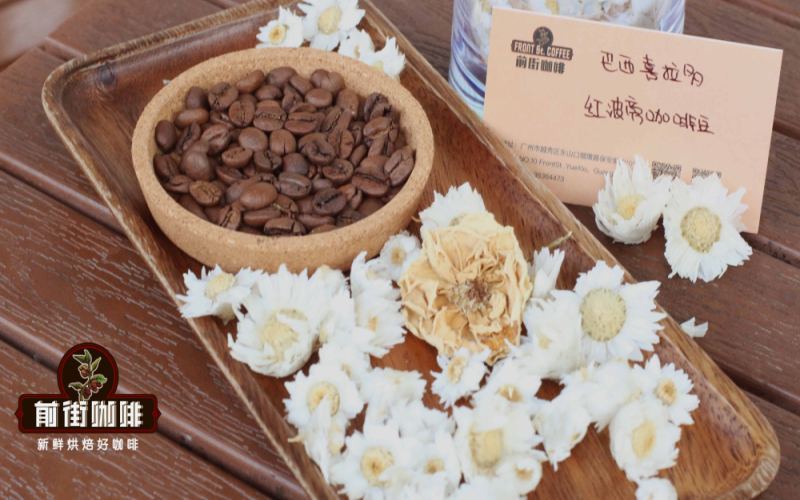
Brazilian Coffee Bean Brand Recommendations and Price Guide: From Cerrado Red Bourbon to Mogiana Queen's Estate Yellow Bourbon
Brazil, as the world's largest coffee-producing country, is known for its nutty and chocolatey flavors, mellow and balanced taste, and consistent quality. For those just getting into specialty coffee, Brazilian beans are an excellent entry point thanks to their affordable prices and clear regional flavors. Among Front Street Coffee's everyday beans series, the Red Bourbon from the Cerrado region stands out as a classic choice with its high cost-performance at 25 yuan/100g, while the more advanced Yellow Bourbon from the Queen's Farm in Mogiana showcases cleaner sweetness and more layers. This article will systematically introduce Brazil's main producing regions and coffee bean grading standards, and share the brewing parameters and flavor comparisons of two representative Brazilian beans from Front Street, giving you a comprehensive understanding of the charm of this major South American coffee country. [more…]
Starbucks Coffee Bean Grind Size Guide: A Complete Scale Analysis from Fine Sugar to Flour-Like Consistency with Brewing Recommendations
Bought Starbucks coffee beans but feel puzzled by the grinder settings? Grind size directly determines the success or failure of a cup of coffee. This article uses common everyday items like fine granulated sugar, coarse granulated sugar, sea salt, fine salt, and flour as analogies to help you quickly find the right grind size for pour-over, French press, moka pot, and espresso machine. Beans of different roast levels have different densities, so the same extraction method requires different grinds. Front Street Coffee will guide you through understanding the particle size range corresponding to each grind state, and why light-roasted beans need a finer grind while dark-roasted beans need a coarser grind, so you no longer have to agonize over grind size. [more…]
How to make a floral espresso? Front Street Strawberry Candy Blend delivers consistent extraction and fruity-floral sweetness
For a latte art coffee with floral aromas, bean selection is key. Front Street Coffee's Yirgacheffe Gidding and Front Street Coffee's Panama Geisha are certainly captivating, and Front Street Coffee's sun-dried Huakui and Front Street Coffee's Blackberry can also deliver rich fruity notes, but these light-roast beans are better suited to pour-over or cold brew, as their extraction is unstable when pulled as espresso. Therefore, a medium-roast blend designed specifically for espresso is needed. Front Street Coffee's Strawberry Candy espresso blend combines three major origins—Costa Rica, Colombia, and Ethiopia—preserving the floral and honeyed notes of Geisha, enhancing the sweetness of honey processing, and drawing out caramel flavors. Used to make an americano or latte, it offers a fuller body and presents the sweet aromas of strawberry fruit candy, grapes, and roses, with low bitterness and a lingering finish—making it an ideal choice for a floral espresso. [more…]
Smart Cup Brand Recommendations and Comparison with V60 Pour-Over: Detailed Explanation of the Origin of the Smart Cup Name and Brewing Differences
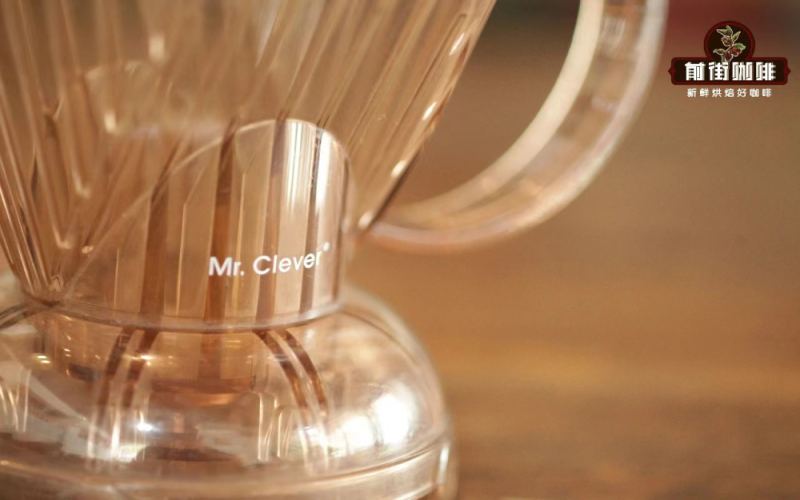
The Clever Coffee Dripper is a coffee dripper originating from Taiwan with a controllable valve at the bottom. Because its name contains the meaning of "clever," it was given this distinctive Chinese name. It combines both percolation and full-immersion extraction principles, aiming to reduce the influence of human factors on coffee flavor so that even beginners can produce consistent results. This article will introduce the brand options and structural features of the Clever Coffee Dripper, and through a comparative experiment with Front Street Coffee's use of the V60 dripper, explain in detail the differences between the two in grind size, water temperature, pouring technique, and final flavor performance, helping coffee enthusiasts more clearly understand the suitable scenarios for these two common pour-over devices. [more…]